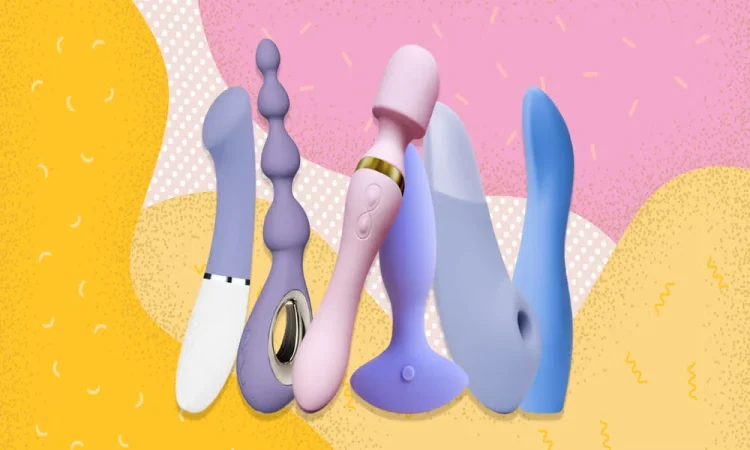
Choosing between a dildo and a vibrator often comes down to the type of sensation you prefer rather than one being superior. A dildo focuses on pressure, fullness and a rhythm you control yourself, while a vibrator uses a motor to create rhythmic stimulation across a wider surface area.
Many people wonder are Dildos or Vibrators better when they first start exploring toys. The answer depends on whether you want internal fullness with full control over depth and pace, or external surface stimulation that a motor delivers with less effort on your part.
What a Dildo Offers
A dildo is a non-vibrating insertable toy designed for vaginal or anal penetration. It is moved by hand, fitted to a harness, or secured with a suction base. Without a motor there is no noise and nothing to charge, which some people find practical in shared living spaces.
The main sensation is fullness and directed pressure against internal walls. If the shaft has a slight upward curve it can reach the G-spot area more easily. Because you set the angle, depth and speed, the experience stays under your complete control. Materials such as body-safe silicone, borosilicate glass or stainless steel are non-porous, making them straightforward to clean thoroughly.
Dildos suit people who enjoy the physical feeling of stretch and penetration, or those who prefer to stay fully involved in the movement rather than letting a motor take over.
What a Vibrator Offers
A vibrator contains a motor that produces vibration, pulsation or air-pulse suction. It can be used externally on the clitoris, vulva or nipples, or internally depending on the design. The sensation spreads across a broader area of surface nerve endings, which feels distinctly different from steady pressure.
Common types include small bullet vibrators for precise external use, clitoral models with a wider contact surface, air-pulse toys that create rhythmic pressure waves, and rabbit-style designs that combine an internal shaft with an external arm. Many are rechargeable and offer multiple intensity levels.
Because the motor does most of the work, vibrators can feel less physically demanding. Starting on the lowest setting helps avoid overwhelming the nerves when the sensation is new.
Key Differences That Matter
The two categories differ in how they stimulate the body. A dildo relies on manual movement to create fullness and pressure. A vibrator relies on a motor to create rhythmic surface stimulation. Neither is objectively better; they simply engage different nerve endings.
Practical differences include power needs, noise and ease of use. Dildos are silent and always ready. Vibrators need batteries or charging and produce some sound, especially at higher settings. Material care is similar for both when body-safe silicone is used: water-based lubricant is the safer default to avoid degrading the surface over time.
Many people find external stimulation more reliable for reaching climax, while others respond more strongly to internal pressure. Preference often shifts with mood or over time, so the choice is rarely permanent.
Practical Factors to Weigh
When deciding which suits you better, consider these points:
- Where you want sensation: internal fullness points towards a dildo; external or clitoral focus points towards a vibrator.
- Level of control: if you prefer to set the exact pace and depth yourself, a dildo fits well. If you want the toy to do more of the work, a vibrator is more suitable.
- Solo or shared use: harness-compatible dildos work well for partnered play, while remote or app-controlled vibrators allow hands-free or distance options.
- Noise and power: silent operation and no charging favour a dildo; adjustable intensity and varied patterns favour a vibrator.
- Combining both: many people use a dildo for penetration alongside a small external vibrator for blended stimulation.
These factors help clarify whether dildos or vibrators are better for the kind of experience you are seeking on a given day.
Using Both Together
Blending the two is common and often more satisfying than choosing only one. A suction-cup dildo paired with a small bullet vibrator keeps hands free while delivering both fullness and surface stimulation. Rabbit-style toys combine both functions in a single device for simpler handling.
For couples, a harness-compatible dildo used with an external vibrator lets one partner control penetration while the other adjusts intensity. Always clean toys thoroughly between uses, and never move a toy from anal to vaginal contact without washing it first. Non-porous materials make this process reliable.
When Professional Advice May Help
Most people can choose and use these toys safely by following basic material and hygiene guidelines. If you have specific medical concerns, recent surgery, pelvic floor issues or sensitivity to certain materials, speaking with a healthcare professional first is sensible. Clear product information on body-safe materials and care instructions supports informed decisions.
Final Insights
Neither a dildo nor a vibrator is inherently better. One provides controlled internal pressure and fullness; the other delivers motorised surface stimulation that many find effective for external areas. The right choice depends on the sensation your body responds to most, whether you prefer to set the pace yourself, and whether you want silent simplicity or adjustable intensity.
Start with the type of stimulation that matches your current preference, keep hygiene straightforward with non-porous materials, and remain open to combining both if that feels more complete. Asking yourself are dildos or vibrators better is less useful than noticing which sensation feels right for you at the time.